
Maintaining a home is a dynamic process that requires a proactive approach to both safety and energy management. A well-maintained house not only provides a comfortable sanctuary for your family but also protects your long-term financial investment.
By focusing on smart upgrades, routine inspections, and diligent upkeep, you can significantly enhance your living environment while reducing monthly utility costs. Here is a comprehensive guide to ensuring your home remains a secure and efficient haven.
Maximizing Energy Savings Through Professional Solar Installation
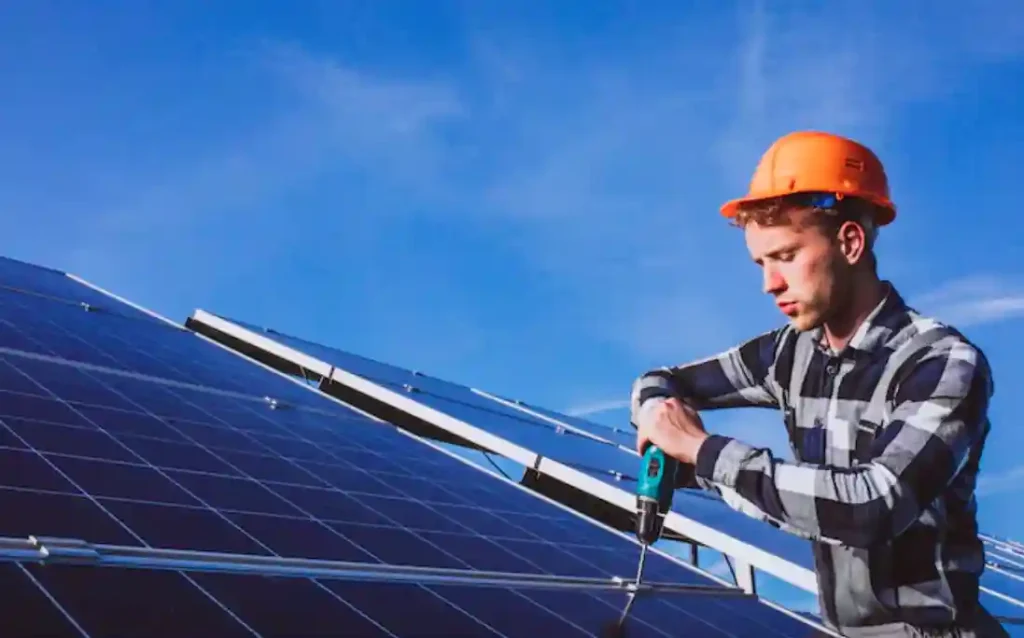
Transitioning to renewable energy is one of the most impactful ways to lower your carbon footprint and reduce dependency on the traditional grid. Opting for a high-quality solar installation allows you to harness the power of the sun to meet your daily household electricity needs.
Beyond the environmental benefits, modern photovoltaic systems provide long-term financial relief by insulating you from rising utility rates. By integrating efficient panels and monitoring technology, you transform your home into a self-sustaining asset that adds significant value to your property.
Hiring a Qualified Electrician for System Integrity
Electrical safety is the cornerstone of a secure home, as faulty wiring is a leading cause of domestic hazards. Whenever you experience flickering lights, tripped breakers, or need new appliance hookups, it is crucial to consult a licensed electrician to perform a thorough inspection.
Professional intervention ensures that your circuits are correctly loaded and that all safety codes are strictly followed. A certified expert can identify hidden fire risks before they escalate, providing you with the peace of mind that your home’s electrical infrastructure is safe and reliable.
Enhancing Security with Modern Smart Technology
In the modern era, physical security should be bolstered by digital intelligence. Installing smart cameras, motion-sensor lights, and automated locks allows you to monitor your property in real time from anywhere.
These devices serve as a powerful deterrent to intruders while providing instant notifications regarding any suspicious activity. By layering physical security measures with technological monitoring, you create a comprehensive safety net that protects your household against external threats effectively.
Optimizing Home Insulation and Climate Control
Much of the energy consumed in a home is lost due to poor insulation. Sealing gaps around windows and doors, and ensuring your attic is properly insulated, keeps the indoor temperature stable.
By reducing the load on your heating and cooling systems, you extend the lifespan of your HVAC equipment and significantly lower your monthly utility bills.
Simple steps like using weather stripping or upgrading to double-paned windows can make a drastic difference in overall household efficiency.
Maintaining Plumbing Systems to Prevent Damage
Water-related issues, such as slow leaks or burst pipes, can cause catastrophic damage to your home’s foundation and structure. Regularly checking pipes under sinks and inspecting water heaters for signs of corrosion can help you catch minor problems before they become major disasters.
Installing moisture sensors near critical appliances can provide early warning, allowing you to intervene quickly and avoid the high costs of water remediation.
Fostering a Culture of Routine Safety Inspections
The most effective way to keep your home safe is through consistency. Establish a quarterly checklist that includes testing smoke detectors, checking fire extinguishers, and cleaning dryer vents to prevent lint fires.
Being diligent about these small tasks ensures that your home remains a safe and efficient space for everyone. By prioritizing regular maintenance, you are essentially investing in the longevity and security of your most valuable physical asset.