

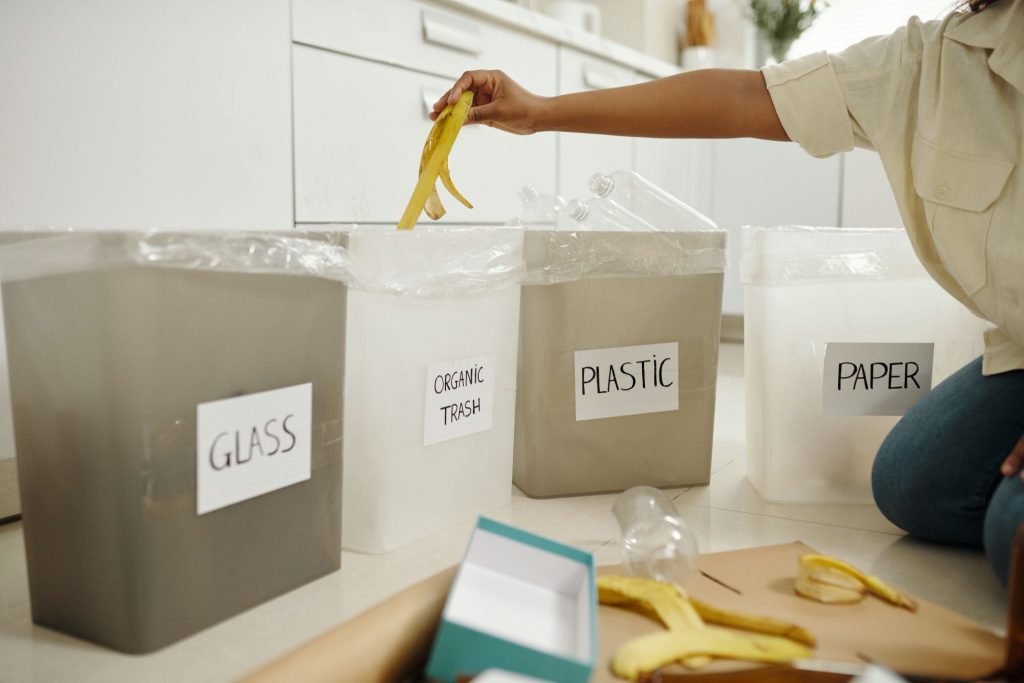
In a world increasingly overwhelmed by waste, the need for effective waste reduction strategies has never been more urgent. Households are at the forefront of this movement, with the potential to make significant changes that contribute to a more sustainable future. By adopting simple yet impactful waste reduction tips, families can minimize their environmental footprint while fostering a culture of sustainability within their homes. This article will explore practical strategies that can help households reduce waste, from mindful shopping habits to engaging the entire family in eco-friendly practices.
Understanding Waste Reduction
What is Waste Reduction?
Waste reduction refers to the practice of minimizing the amount of waste generated in the first place. It is a critical component of environmental sustainability that emphasizes preventing waste rather than managing it after it has been created. Waste reduction is distinct from recycling and reuse, which are important but focus on dealing with waste that has already been produced. By prioritizing waste reduction, households can significantly decrease their impact on landfills and the environment, contributing to cleaner air, water, and ecosystems.
The Impact of Household Waste
Statistics reveal alarming truths about household waste generation. In the United States alone, households contribute approximately 40% of the total waste produced each year. This waste often ends up in landfills, where it contributes to greenhouse gas emissions and leaches harmful substances into the soil and water. The economic implications are equally concerning, with the cost of waste management placing a financial burden on local governments and taxpayers. Understanding the scale of household waste empowers families to take action and embrace sustainable practices that benefit not only their immediate environment but the planet as a whole.
Practical Waste Reduction Tips for Households
Decluttering and Organizing
One of the most effective ways to reduce waste is to start with decluttering and organizing your home. When households accumulate unnecessary items, they not only create waste but also contribute to a cycle of consumerism that encourages more purchases. By adopting a minimalist approach to consumption, families can evaluate their belongings and determine what they truly need.
Consider implementing a regular decluttering ritual, such as the “one-in, one-out” rule, where for every new item brought into the home, an existing item is donated or discarded. This practice not only helps maintain a tidy living space but also encourages mindful consumption. The benefits of decluttering extend beyond waste reduction; a more organized home can lead to reduced stress and improved mental clarity.
Mindful Shopping Habits
Shopping habits play a critical role in waste generation. By making informed purchasing decisions, households can significantly reduce their consumption of single-use items and products with excessive packaging. Start by creating a shopping list before heading to the store, which helps avoid impulse buys that often lead to unnecessary waste.
When shopping, consider choosing products with minimal or compostable packaging, and support brands that prioritize sustainability. Additionally, buying in bulk can reduce packaging waste and often save money in the long run. Educating yourself about the lifecycle of products can also empower you to make choices that align with your values and contribute to waste reduction efforts.
Kitchen Waste Reduction Strategies
Meal Planning and Preparation
The kitchen is often a significant source of waste in households, particularly when it comes to food. Meal planning is a powerful tool for reducing food waste, as it encourages families to think ahead and make thoughtful choices about what they consume. By planning meals for the week, you can ensure that ingredients are used efficiently, and leftovers can be transformed into new dishes rather than thrown away.
To start meal planning, consider creating a weekly menu that incorporates seasonal and locally sourced ingredients. This not only reduces waste but also supports local farmers and markets. Additionally, understanding portion sizes can help avoid cooking too much food, which is a common contributor to waste in many households.
Smart Food Storage Techniques
Proper food storage is essential for extending the shelf life of perishable items and minimizing spoilage. Familiarize yourself with best practices for storing fruits, vegetables, dairy, and meats to keep them fresh for longer periods. For instance, certain fruits, like apples, can produce ethylene gas, which accelerates ripening in other fruits. Storing them separately can help prevent spoilage.
Another effective strategy is to utilize airtight containers to keep foods fresh and reduce exposure to air and moisture. Additionally, consider using clear containers to keep food visible, which can help remind you to use items before they spoil. Embracing creativity with leftovers is also crucial; think of ways to repurpose uneaten food into new meals, such as using roasted vegetables in soups or salads.
Eco-Friendly Alternatives in Daily Life
Sustainable Products and Packaging
Transitioning to eco-friendly alternatives is a significant step in reducing waste. Many households rely on disposable products that contribute to waste accumulation. Instead, consider investing in reusable items such as stainless steel water bottles, cloth shopping bags, and beeswax wraps. These sustainable alternatives not only reduce waste but can also save money over time.
When shopping for household items, look for products made from recycled materials or those designed for durability. Supporting brands that prioritize sustainability helps drive market demand for environmentally friendly products, encouraging more companies to adopt eco-conscious practices.
Composting at Home
Composting is a highly effective way to manage organic waste and enrich the soil at home. By composting kitchen scraps, yard waste, and other biodegradable materials, households can divert a significant amount of waste from landfills. Composting not only reduces waste but also produces nutrient-rich compost that can enhance gardens and plants.
To start composting, consider setting up a compost bin or pile in your backyard. It’s essential to educate yourself on what materials can be composted, such as fruit and vegetable scraps, coffee grounds, and eggshells. Avoid composting meat, dairy, and oils, as these can attract pests. Many communities also offer composting workshops or resources to help families get started.
Engaging the Family in Waste Reduction
Teaching Kids About Sustainability
Involving children in waste reduction efforts not only educates them about sustainability but also nurtures a sense of responsibility towards the environment. Fun activities, such as creating a recycling game or organizing a neighborhood clean-up, can make learning about waste reduction enjoyable and impactful. Encourage kids to take part in meal planning and preparation as a way to teach them about food waste.
By making sustainability a family affair, children will develop positive habits that can last a lifetime. Discuss the importance of waste reduction openly, and reinforce the idea that every small action contributes to a larger environmental impact.
Involving Everyone in Household Practices
Creating a waste reduction plan as a family can foster teamwork and accountability. Gather your family to discuss waste reduction goals and brainstorm ideas on how each member can contribute. This could include assigning specific tasks, such as recycling, composting, or shopping sustainably.
Encourage participation by celebrating achievements, such as reaching a waste reduction milestone or successfully implementing a new practice. This collaborative approach not only strengthens family bonds but also reinforces the importance of sustainability.
Community Involvement and Resources
Local Initiatives and Programs
Households can amplify their waste reduction efforts by engaging with local initiatives and programs. Many communities offer resources for recycling, composting, and waste reduction education. Research local organizations focused on sustainability and inquire about volunteer opportunities.
Participating in community clean-up events or sustainability fairs can provide valuable networking opportunities and inspire further commitment to waste reduction. Additionally, many communities have local recycling programs that educate residents about proper recycling practices.
The Power of Advocacy
Advocacy plays a crucial role in driving systemic change. Encourage your local government to adopt policies that promote waste reduction and sustainability. This may include advocating for improved recycling programs, waste reduction initiatives, or community composting services.
By voicing your support for sustainable practices, you contribute to a collective movement that can lead to significant change. Individual actions, when amplified by community efforts, have the power to create a more sustainable future for everyone.
Conclusion
The journey toward waste reduction begins at home, and every small effort counts. By implementing effective waste reduction tips, households can minimize their environmental impact while fostering a culture of sustainability. From mindful shopping habits to engaging the entire family in eco-friendly practices, the path to a more sustainable lifestyle is achievable and rewarding. As we take these steps together, we contribute to a healthier planet for future generations. Embrace these practices, inspire others, and be part of the growing movement toward waste reduction.
FAQs
What are the most effective waste reduction strategies?
Some of the most effective strategies include mindful shopping, meal planning, composting, and using reusable products.
How can I start composting at home?
You can start composting by setting up a compost bin or pile in your backyard, collecting kitchen scraps and yard waste, and ensuring you know what materials are compostable.
What role does shopping play in waste reduction?
Shopping plays a crucial role in waste reduction; making informed purchasing decisions can significantly lower the amount of waste generated from packaging and single-use products.
How can families work together to reduce waste?
Families can work together by creating a waste reduction plan, involving everyone in tasks related to recycling, composting, and sustainable shopping, and celebrating their achievements in reducing waste.