
The world is changing at a pace that feels both urgent and undeniable. Rising temperatures, polluted oceans, and shrinking natural resources are no longer distant concerns. They are realities we experience in everyday life. In this context, the idea of a sustainable lifestyle is no longer just a trend or a personal preference. It has become a responsibility that directly impacts the future of our planet. A sustainable lifestyle is about making conscious choices that reduce harm to the environment. It is about understanding how daily habits, from what we eat to how we travel, influence the natural world. These choices may seem small in isolation, but together, they create a powerful force for change. This article explores why sustainability matters, how it connects to environmental health, and what role individuals play in shaping a more balanced and responsible future.
Understanding Sustainability in Everyday Life
Sustainability is often described in broad terms, but its true meaning becomes clearer when applied to daily life. It involves using resources in a way that meets present needs without compromising the ability of future generations to meet theirs. In practical terms, this means reducing waste, conserving energy, and making mindful consumption choices. It is about creating a balance between human activity and the natural systems that support life. A sustainable lifestyle does not require drastic changes overnight. Instead, it encourages gradual shifts that align with environmental responsibility. These changes, when adopted consistently, can lead to significant long-term benefits.
The Environmental Impact of Modern Living
Modern lifestyles have brought convenience and progress, but they have also placed immense pressure on the environment. Industrialization, urbanization, and consumer culture have contributed to environmental degradation on a global scale.
Resource Depletion and Overconsumption
The demand for natural resources continues to grow. Forests are cleared, water sources are strained, and fossil fuels are consumed at an unsustainable rate. This imbalance threatens the stability of ecosystems and the availability of resources for future generations.
Pollution and Its Lasting Effects
Air, water, and soil pollution have far-reaching consequences. They affect not only the environment but also human health. From plastic waste in oceans to emissions in the atmosphere, the impact of pollution is both visible and deeply concerning.
How a Sustainable Lifestyle Protects the Environment
Adopting sustainable habits can significantly reduce environmental harm. It shifts the focus from excessive consumption to mindful living.
Reducing Waste and Conserving Resources
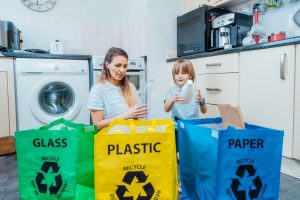
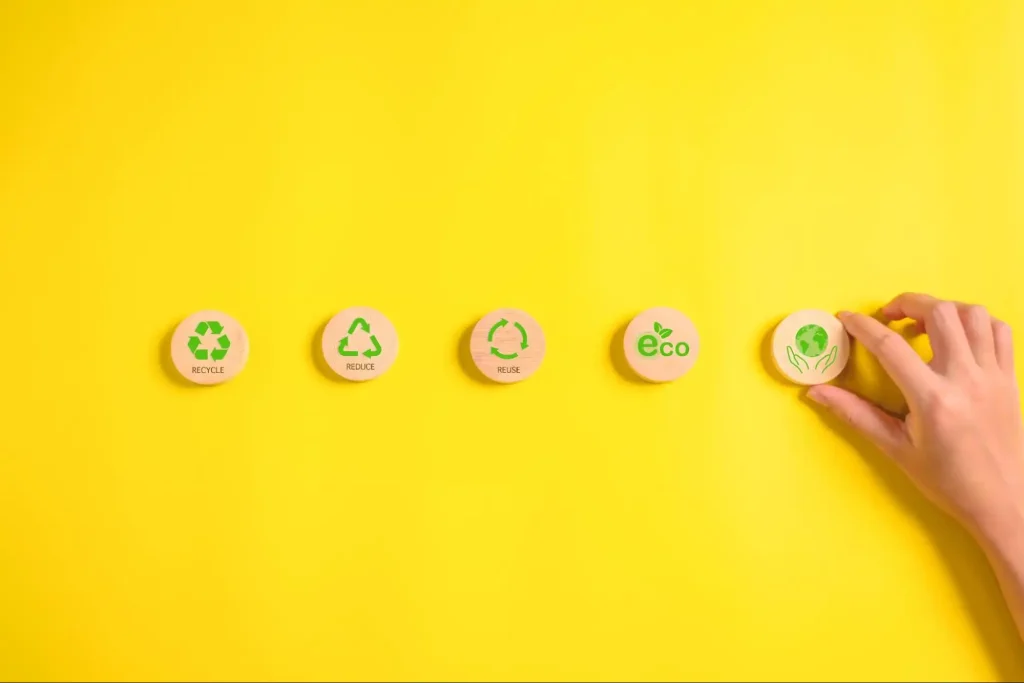
A sustainable lifestyle encourages practices such as recycling, reusing, and minimizing waste. These actions help reduce the burden on landfills and conserve valuable resources.
Lowering Carbon Footprint
Every individual contributes to carbon emissions through daily activities. By choosing energy-efficient options, reducing travel emissions, and supporting renewable energy, it is possible to lower this footprint and contribute to climate stability.
The Role of Energy Choices in Sustainability
Energy consumption is one of the most significant factors affecting the environment. The shift toward sustainable energy sources is a crucial step in reducing environmental impact.
Transitioning to Renewable Energy
Renewable energy sources such as solar and wind power offer cleaner alternatives to fossil fuels. They reduce greenhouse gas emissions and help combat climate change.
Energy Efficiency in Daily Life
Simple actions, such as using energy-efficient appliances and reducing unnecessary electricity use, can make a meaningful difference. These choices not only benefit the environment but also reduce energy costs.
Sustainable Food Habits and Environmental Health
Food production and consumption have a direct impact on the environment. Agriculture, transportation, and waste all contribute to environmental challenges.
Choosing Environmentally Friendly Foods
Opting for locally sourced and seasonal foods reduces the environmental cost of transportation. It also supports local communities and promotes sustainable farming practices.
Reducing Food Waste
Food waste is a significant issue worldwide. By planning meals and using resources wisely, individuals can minimize waste and reduce environmental impact.
The Importance of Conscious Consumption
Consumer behavior plays a major role in shaping the environment. The choices people make influence production patterns and resource use.
Buying Less and Choosing Wisely
A sustainable lifestyle encourages thoughtful purchasing decisions. Instead of buying excessively, individuals focus on quality and necessity.
Supporting Ethical and Sustainable Brands
Choosing products from companies that prioritize sustainability helps promote responsible practices. It creates demand for environmentally friendly goods and services.
Key Sustainable Practices That Make a Difference
A sustainable lifestyle is built on practical actions that can be integrated into daily routines.
Simple Habits with Long-Term Impact
Reducing single-use plastics and choosing reusable alternatives
Conserving water by fixing leaks and using it efficiently
Using public transport, cycling, or walking when possible
Supporting eco-friendly products and reducing unnecessary consumption
These habits may seem small, but their collective impact is significant.
Creating a Mindset of Responsibility
Sustainability is not just about actions; it is about mindset. Developing awareness and responsibility leads to more consistent and meaningful changes.
Social and Economic Benefits of Sustainable Living
The benefits of sustainability extend beyond the environment. They also influence social and economic well-being. A sustainable lifestyle promotes healthier living conditions by reducing pollution and improving resource management. It also supports economic stability by encouraging efficient use of resources and reducing waste. Communities that embrace sustainability often experience improved quality of life. They become more resilient and better equipped to handle environmental challenges.
Expert Insight: Building a Sustainable Future Step by Step
Experts emphasize that sustainability should be approached as a gradual process. Trying to change everything at once can be overwhelming. Instead, focusing on small, consistent steps leads to lasting results. One important piece of advice is to start with awareness. Understanding how daily actions affect the environment creates motivation for change. Another key insight is to prioritize impact. Not all actions have the same effect, so focusing on the most impactful changes can maximize results. Experts also highlight the importance of community. When individuals come together, their collective efforts can create meaningful change on a larger scale.
Challenges in Adopting a Sustainable Lifestyle
Despite its importance, adopting a sustainable lifestyle can be challenging. Limited access to resources, higher costs of eco-friendly products, and lack of awareness are common barriers. Changing habits also requires effort and consistency. It can be difficult to break old patterns and adopt new ones. However, these challenges can be overcome with education, support, and gradual adjustments. Understanding that perfection is not required is essential. Every small step contributes to a larger goal.
The Future of Sustainability and Individual Responsibility
The future of the planet depends on collective action. Governments, industries, and individuals all play a role in creating a sustainable world. While large-scale changes are necessary, individual actions remain powerful. Each choice, no matter how small, contributes to a broader impact. A sustainable lifestyle is not just about protecting the environment. It is about creating a future where people and nature can coexist in harmony.
FAQs
1. Why is a sustainable lifestyle important for the environment?
A sustainable lifestyle reduces resource depletion, minimizes pollution, and helps maintain ecological balance. It ensures that natural resources are preserved for future generations while supporting environmental health.
2. What are simple ways to start living sustainably?
Simple steps include reducing waste, conserving energy, using reusable products, and making mindful consumption choices. These actions can gradually lead to a more sustainable way of living.
3. Can one person make a difference in sustainability?
Yes, individual actions contribute to collective impact. When many people adopt sustainable habits, the combined effect can significantly reduce environmental damage and promote positive change.